There’s nothing quite like a blackout to make you rethink how your home stays powered.
Maybe it’s a summer thunderstorm that knocks out power for hours, or a winter windstorm that leaves your neighborhood in the dark for days. In the Pittsburgh Metro — from Hampton Township to Harmar, Fox Chapel to New Kensington, and all across Allegheny County — homeowners are increasingly investing in reliable backup solutions.
But here’s where many get stuck: Do I need a standby generator or a battery storage system?
With brands like Briggs & Stratton offering best-in-class products in both categories — and with Power Pros as the certified installer — understanding the difference matters more than ever.
This guide breaks down everything you need to know: the benefits, differences, and ideal use cases for battery storage vs. standby generators — specifically through the lens of Briggs & Stratton products and what Power Pros brings to Southwestern Pennsylvania homeowners.
Understanding the Basics: Battery Storage vs. Standby Generators
When we talk about backup power, most people are thinking about keeping the lights on during an outage. However, Standby Generators and Battery Energy Storage Systems do that in different ways:
Briggs & Stratton offers both options:
Together, they form a tiered approach to home resilience.
Table of Contents:
1. Use Case Flexibility: What Each System Does Best
Standby Generators: Long-Term Power When You Need It Most
Standby generators are the gold standard for continuous power during long outages. They’re ideal when:
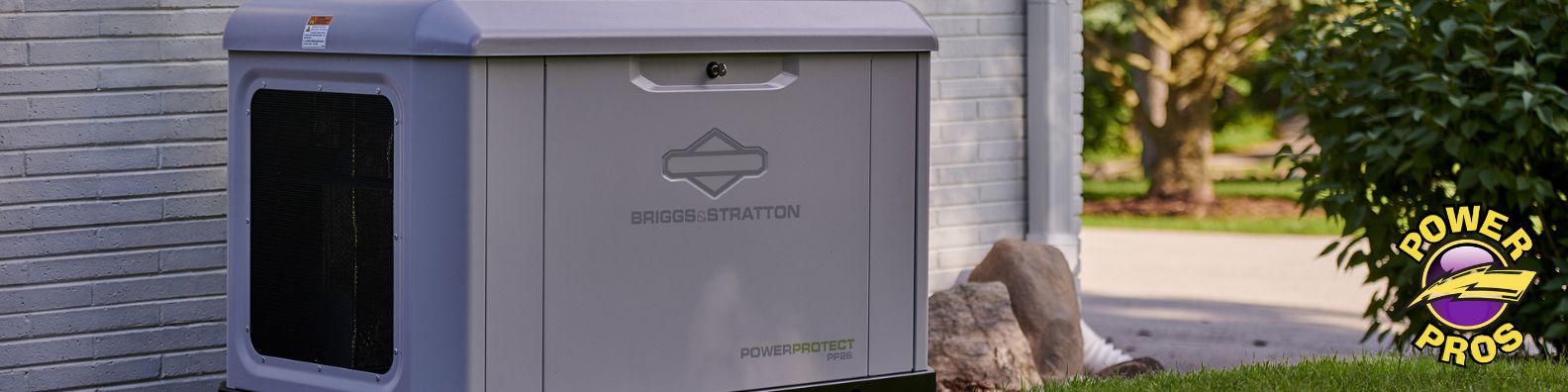
Briggs & Stratton standby generators kick on within seconds of a power loss and keep your home running as long as fuel is available.
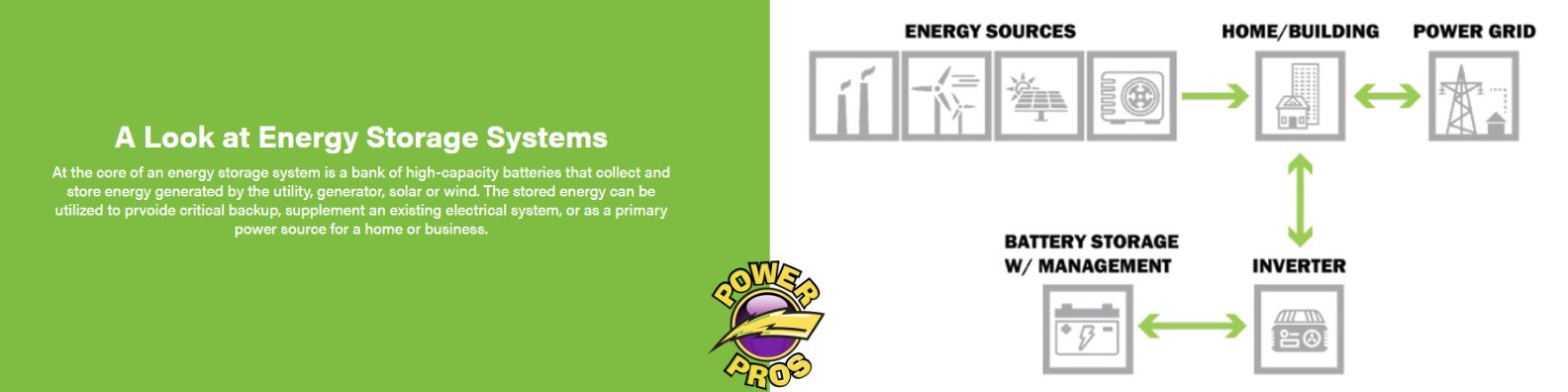
Battery Storage: Fast, Silent, Efficient Backup
Battery storage is perfect when you want:
Briggs & Stratton’s battery systems store electricity for use during outages or to manage energy expenses during peak rates. For many Pittsburgh-area homeowners, it’s an elegant way to extend comfort without requiring full generator operation.
2. Fuel & Efficiency: How They Work
One of the biggest differences between generators and battery storage is how they supply power:
Backup Generators
Briggs & Stratton generators with NGMax™ Technology are optimized for natural gas, providing consistent, efficient power output—especially useful for homes with natural gas connections.
Battery Energy Storage Systems
Battery storage is perfect when you want:
Briggs & Stratton’s battery systems store electricity for use during outages or to manage energy expenses during peak rates. For many Pittsburgh-area homeowners, it’s an elegant way to extend comfort without requiring full generator operation.
Lithium Iron Phosphate (LFP) Battery Options
LFP (Lithium Iron Phosphate) is a rechargeable battery chemistry known for its high safety profile and long cycle life, typically rated between 3,000 to 8,000+ charge cycles. That means homeowners in the Pittsburgh Metro area can expect years—even decades—of reliable performance when properly installed and maintained.
Battery systems are perfect for handling momentary interruptions, smaller load needs, or in conjunction with a generator to extend runtime without additional fuel consumption.
3. Environmental & Noise Impact: Living With Backup Power
In a metro area like Pittsburgh — with neighborhoods close together — noise and emissions matter.
Standby Generators
Briggs & Stratton generators use advanced mufflers and sound-reducing technology, but they’re still louder than battery systems.
Battery Storage
Battery storage is perfect when you want:
This makes battery storage especially appealing in suburban areas such as Franklin Park, Fox Chapel, and Hampton Township, where neighbors and HOA rules may be factors.
4. Maintenance & Lifespan: What You’ll Commit To
Both systems require attention — but the type is different:
Standby Generators Needs
Power Pros offers routine generator maintenance plans to ensure your Briggs & Stratton generator runs reliably year after year. This protects your investment and keeps your warranty valid.
Battery Storage Requires
Battery systems like Briggs & Stratton Home Battery Storage are largely maintenance-free, making them attractive for low-touch energy backups.
5. Installation & Cost: What to Expect
Both systems require attention — but the type is different:
Standby Generators Instalaltion Involves
Generators typically require a larger upfront investment but provide long runtime and whole-home coverage.
Battery Storage Instalaltion is
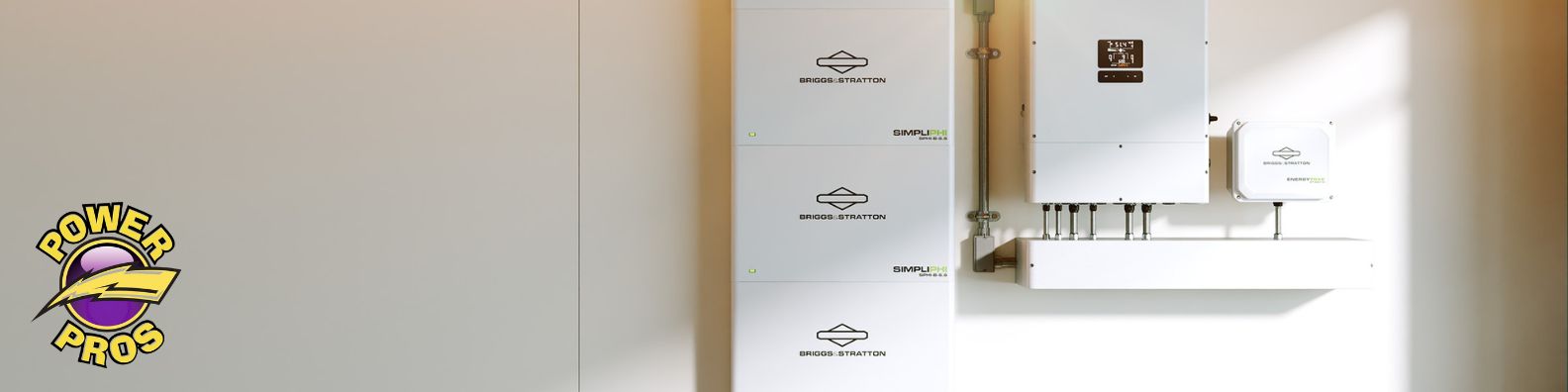
Briggs & Stratton battery storage systems integrate seamlessly with home electrical panels and can be paired with EV chargers or solar systems to maximize efficiency.
Briggs & Stratton: A Brand Built for Reliability
Briggs & Stratton stands out because:
Power Pros: Pittsburgh Metro’s Certified Installer
It’s one thing to understand the technology, but installing it properly is where performance really matters. That’s where Power Pros comes in:
Why Homeowners Choose Us:
The Smart Path to Power Resilience
In cities and suburbs across the Pittsburgh Metro — including Hampton Township, Harmar, Franklin Park, Fox Chapel, New Kensington, and Pine — homeowners are combining smarter energy storage with tried-and-true standby power. Briggs & Stratton stands out as a brand that delivers on performance.
For installation, service, maintenance, and long-term support, Power Pros is the trusted choice throughout Southwestern Pennsylvania.
Ready to secure your home with the right backup power solution?
Call Power Pros today or schedule your free consultation online.
We’ll help you choose the right system — battery storage, standby generator, or both — so your home stays safe, powered, and future-ready.
Power Pros — Your Local Experts in Briggs & Stratton Backup Power Solutions.